



The Australian workday places real demands on your body, and hybrid work has changed where those demands show up.
Your chair no longer lives in a perfectly controlled commercial office five days a week. It now works in spaces where temperature shifts throughout the day, warming up by lunchtime and holding heat well into the afternoon. It supports back-to-back meetings, focused work blocks, and often stays in use long after the workday ends.
Some days you’re in the office. Some days you’re at home. Sometimes it’s both. Wherever you’re working, your chair needs to perform reliably through heat, humidity and long hours.
TL;DR: Why ergotune Mesh Is Different
| Performance Factor | ergotune Mesh | Traditional Office / Gaming Chair |
|---|---|---|
| Thermal Control | Open-weave airflow dissipates heat and moisture. | Foam and PU leather trap heat. |
| Support System | Tensioned suspension returns to form. | Foam compresses and gradually sags. |
| Climate Stability | Shrink-resistant and humidity-tolerant. | Materials stretch or deform over time. |
| Surface Feel | Fabric-integrated hybrid mesh for soft, stable contact. | Often sticky (leather) or abrasive (budget mesh). |
| Hygiene | Non-absorbent and breathable. | Porous foam traps sweat and odours. |
Built For Australian Conditions, Not Ideal Ones
Designing a chair for perfect conditions would be easy. Stable temperature. Controlled airflow. Predictable use. But that isn’t how Australians work.
Our summers regularly push past 30°C. Humidity rises. Airflow changes from room to room. Most chairs labelled “comfortable” were never built with those realities in mind.
Foam insulates, synthetic leather retains heat, and budget mesh can stretch when exposed to repeated weight and changing humidity.
By mid-afternoon, you’re shifting in your seat. Not because your workload is overwhelming, but because your chair is getting warmer and losing tension. It’s subtle at first. You adjust. You lean. You reposition. Over time, that low-level discomfort drains focus.
We don’t see seating as decor. We see it as infrastructure. When materials struggle under heat and repetition, your body ends up doing the extra work. The ergotune mesh system was designed to handle Australian environments, not just showroom floors.
Airflow Isn’t A Feature, It’s A Requirement
When a chair traps heat, you feel it. Foam and polyurethane (PU) leather act like insulation layers. They hold warmth against your back and legs, slowing evaporation and reducing airflow. As heat builds, perspiration increases and concentration dips. Most people don’t blame the chair. They just feel more fatigued by mid-afternoon. That’s not a preference. That’s heat transfer.
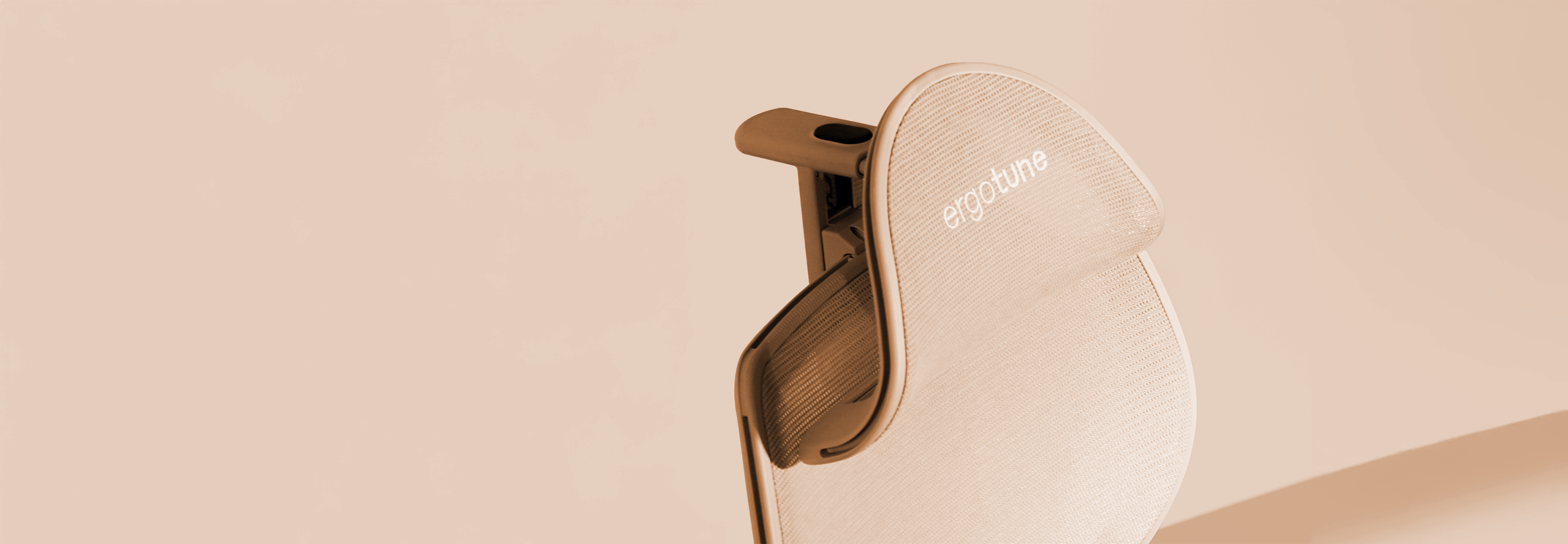
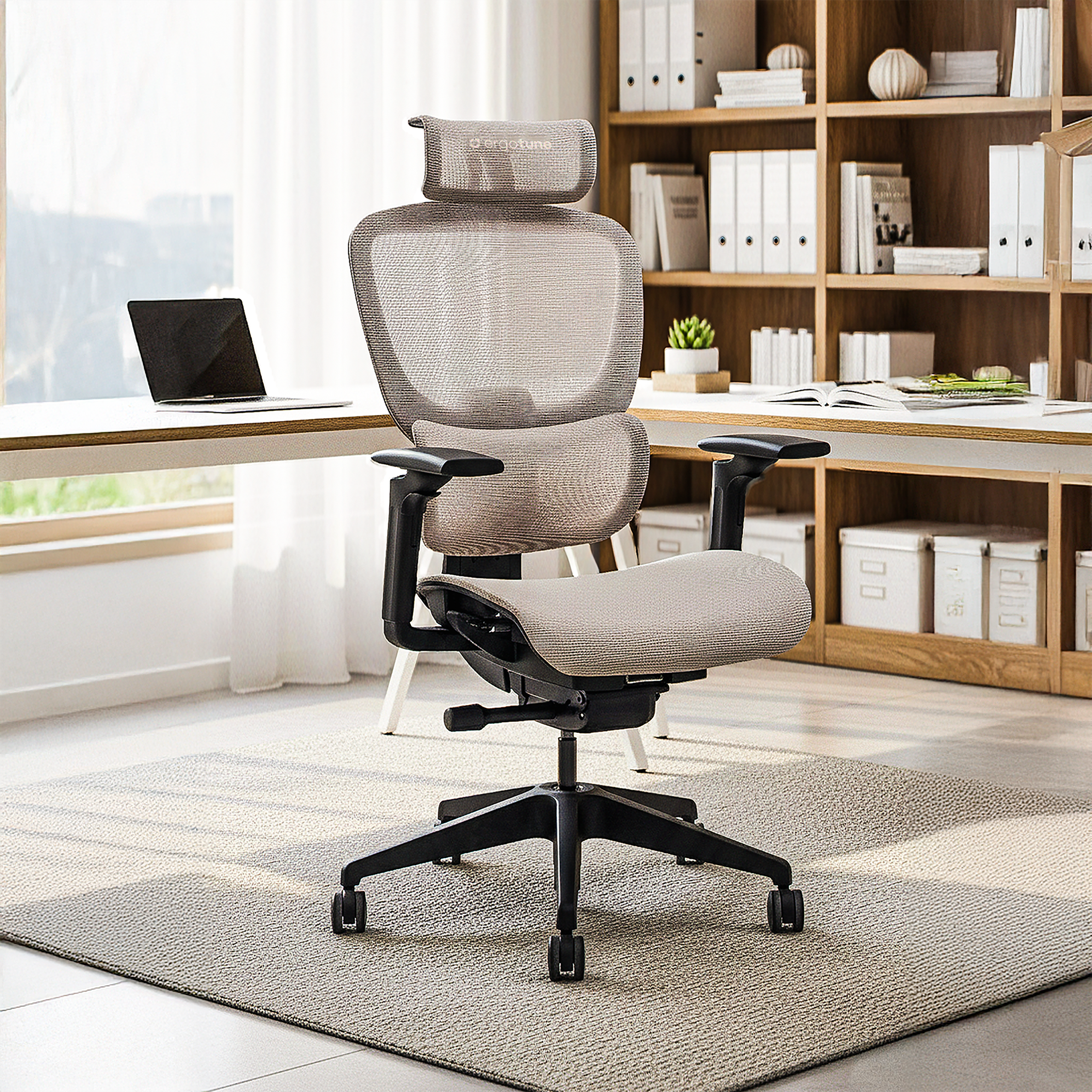
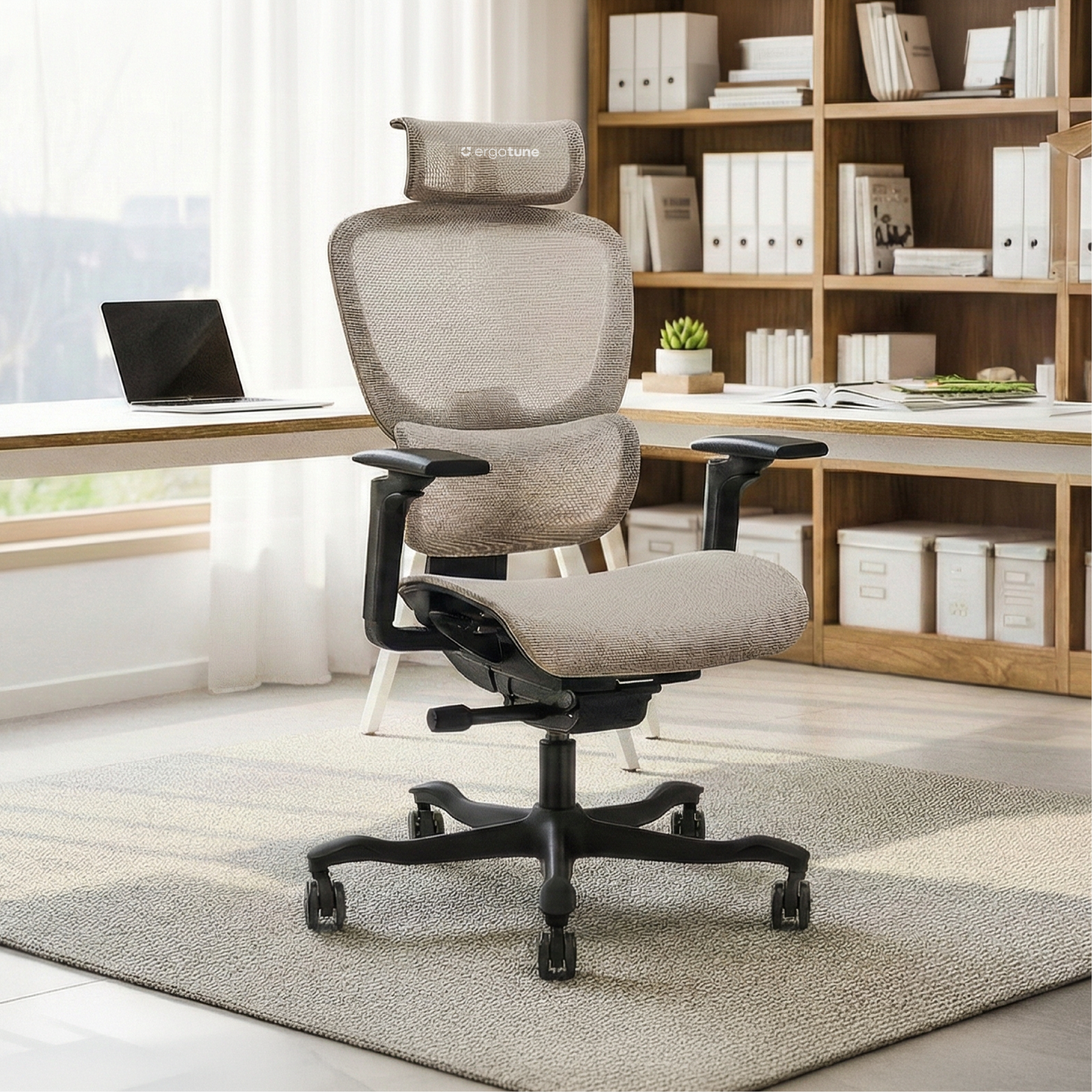
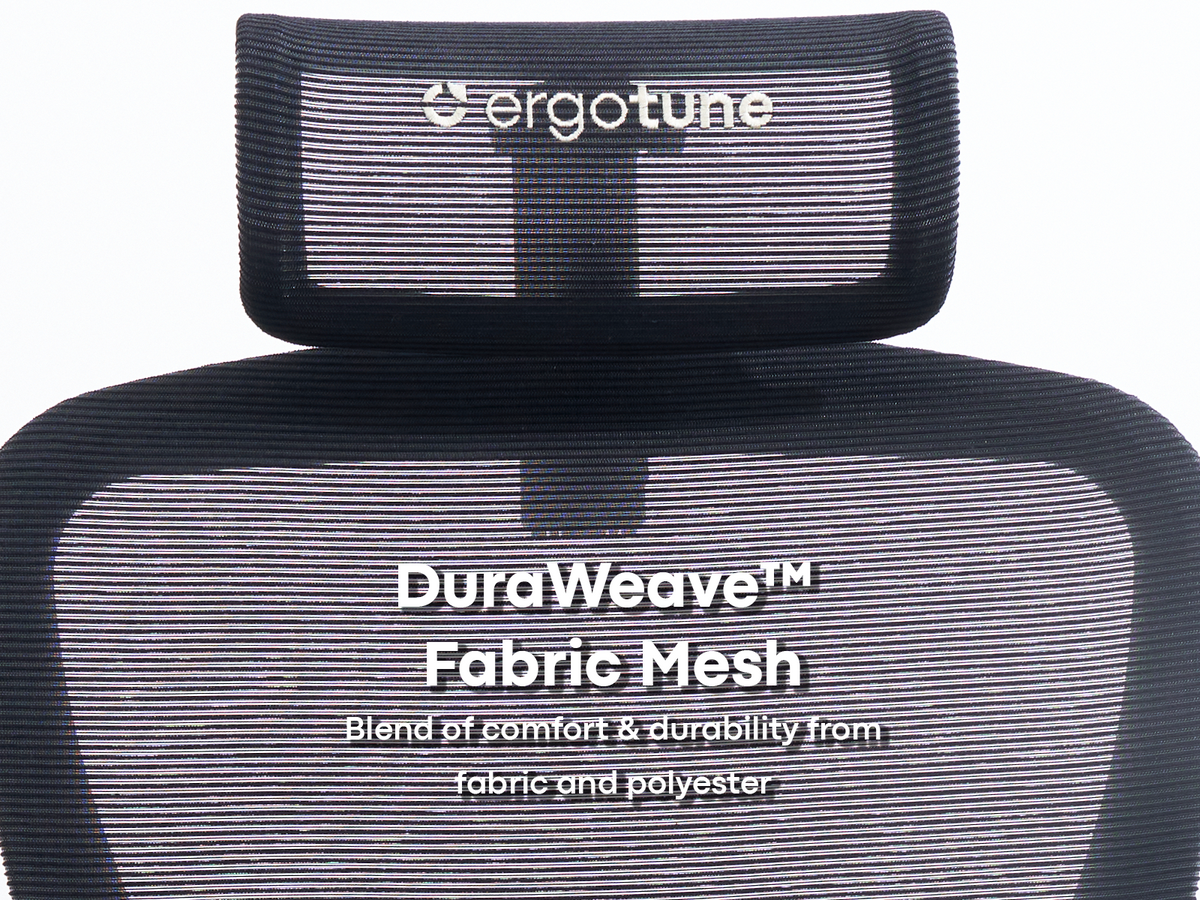
DuraWeave™ 2.0 Hybrid Mesh allows air to move freely through both the backrest and seat. Instead of heat building up between you and the surface, it escapes. Moisture evaporates naturally.
In Australian home offices where air-conditioning isn’t always running all day, that difference matters.
Gaming chairs often prioritise visual impact. Thick padding, bold lines, dense materials. They can feel plush at first, but insulated surfaces behave predictably in warm rooms. After a few hours, that padding starts working against you.
Ventilation isn’t a luxury in this climate. It’s the baseline.
Suspension Holds Up Better Than Foam
Most office chairs rely on foam compression. You sit, the foam squashes, and it feels soft. Over time, though, foam doesn’t bounce back the way it used to. It gradually loses shape. Support becomes uneven. You start feeling the base underneath. That’s where sag begins.
Ergotune uses a tensioned suspension system instead. The mesh is stretched across the frame so your weight is supported evenly rather than sinking into padding. The mesh itself is sourced and engineered for shrink resistance, humidity tolerance and long-term tension retention. In simple terms, it’s built to hold its shape even when temperatures and moisture levels shift.
Lower-grade mesh can loosen over time. Ours is designed to return to the same level of support each time you stand up. That consistency is the difference between short-term comfort and long-term support.
Why The Weave Matters
Not all mesh feels the same, and not all mesh performs the same. Cheap mesh often prioritises cost over durability. It can feel coarse against the skin or stretch unevenly under pressure.
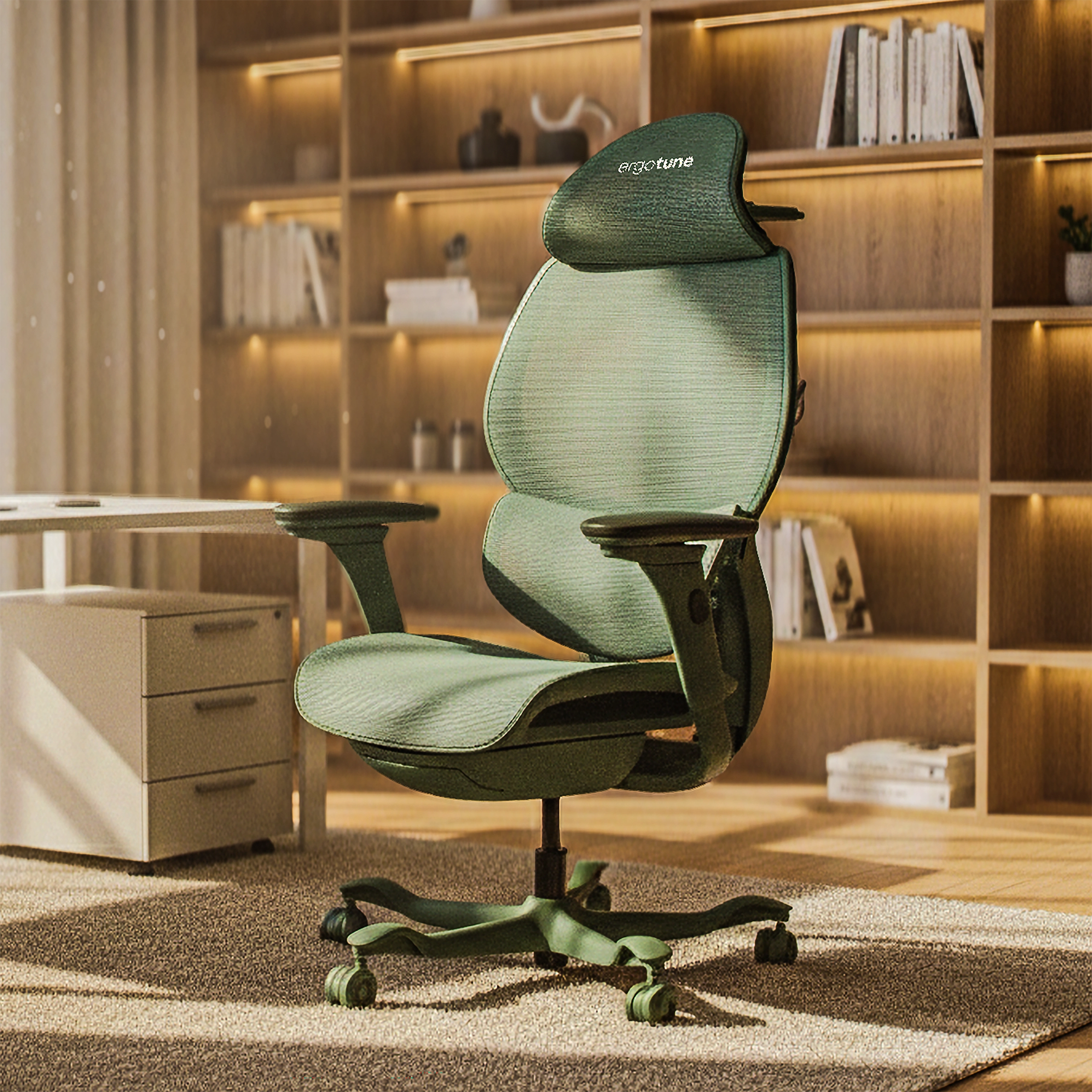
DuraWeave™ 2.0 Hybrid Mesh blends strong polyester fibres with softer fabric threads. The polyester keeps the structure firm. The fabric softens the surface so it feels supportive without feeling harsh. The ratio is intentional.
On our ergotune Joobie, the fabric-to-polyester ratio is 2:1. On our ergotune Vesby, it increases to 4:1. That means more fabric for a softer surface feel, while maintaining the same airflow and structural strength.
You get support that holds, without the scratchy feel people often associate with mesh.
Independent reviews of earlier ergotune models consistently noted how well the mesh retained its firmness over time. Long-term owners often mention that the backrest still feels as supportive after a year as it did on day one.
That doesn’t happen by accident. It comes from choosing better materials and refining the weave over multiple product generations.
Hygiene Is Built In
Foam is porous. Over time, it absorbs perspiration, dust and microscopic debris. Even when covered in fabric or synthetic leather, moisture can settle into the internal padding.
Mesh behaves differently because it’s breathable and non-absorbent. Moisture doesn’t soak into a dense layer underneath. Air moves through the weave, helping the surface dry more quickly.
There’s a common assumption that mesh chairs are harder to clean. In practice, they’re simpler. Surface dust can be vacuumed, and spills can be wiped without worrying that liquid has seeped deep into the foam.
Material choice affects how your workspace feels months and years down the track.
Designed To Move With You
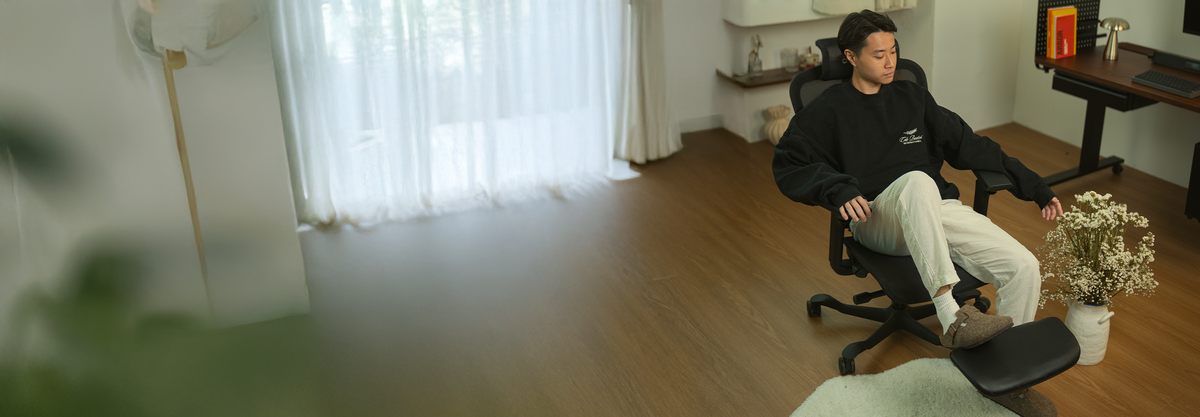
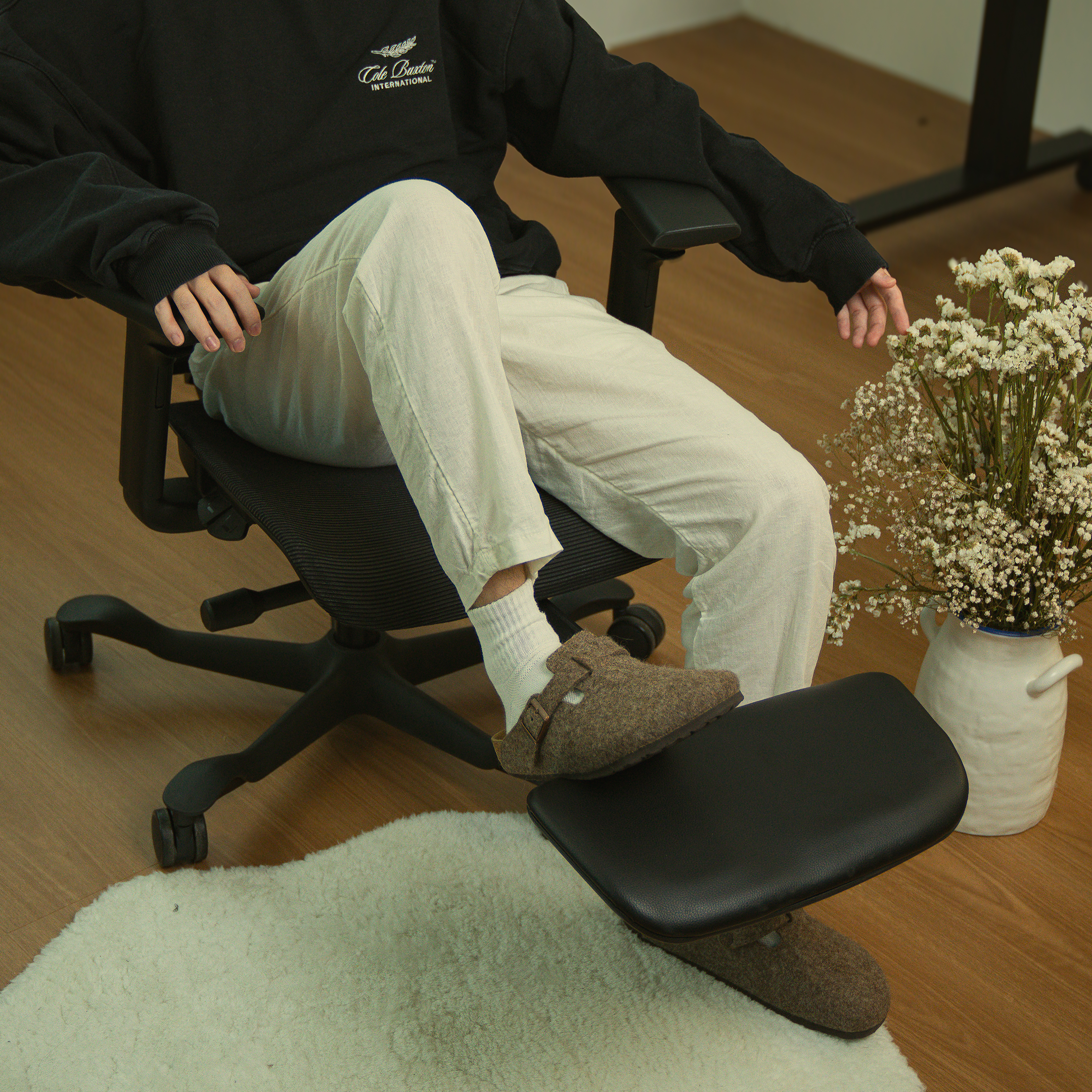
Rigid, bucket-style seating locks the spine into one position. While that can feel supportive at first, staying fixed for long periods contributes to stiffness. The body isn’t designed to sit completely still. Small posture adjustments throughout the day help circulation and reduce strain.
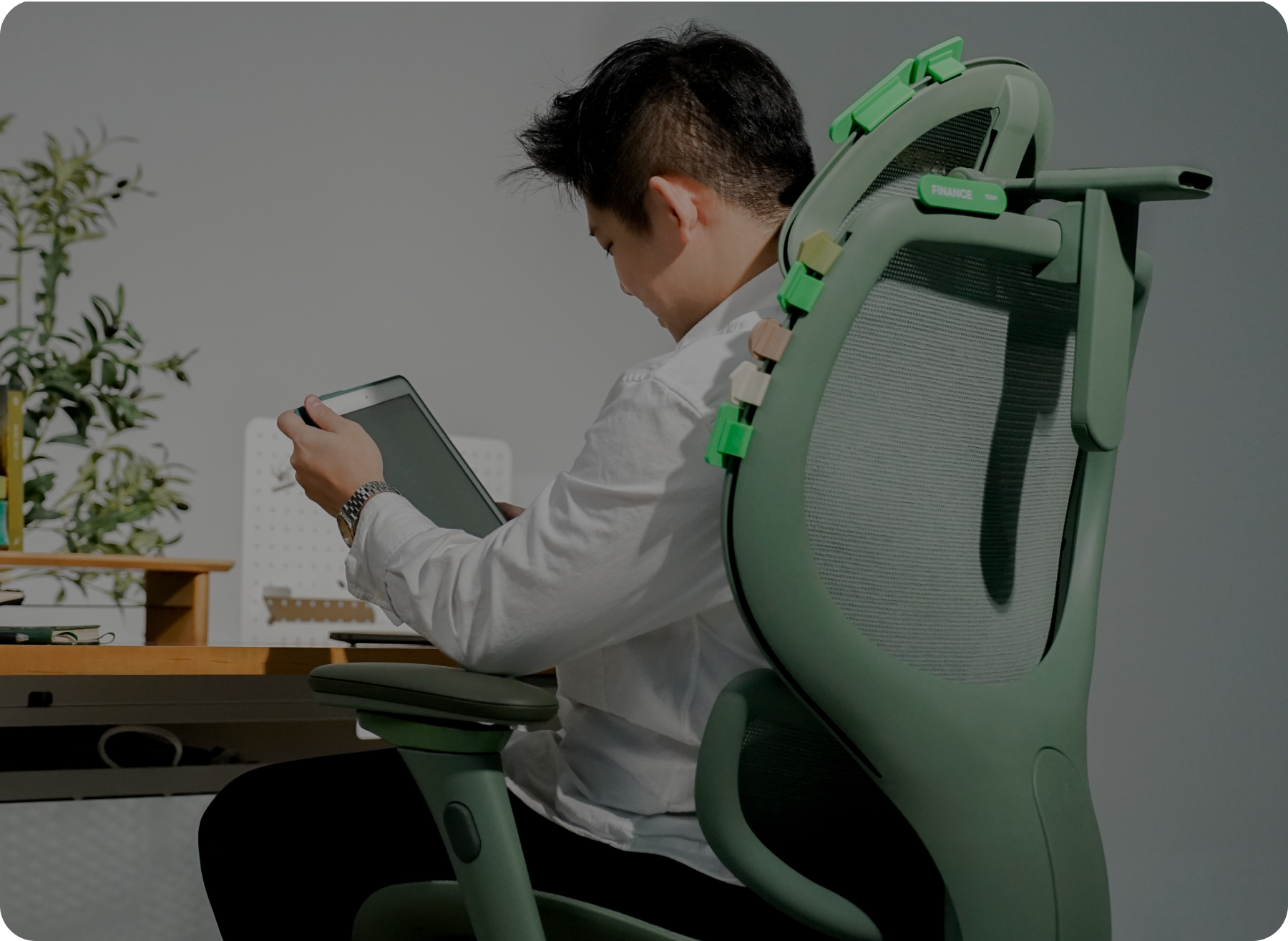
The ergotune mesh backrest flexes slightly under load while maintaining support. It moves with you instead of resisting every shift. Support shouldn’t feel restrictive. It should feel stable, but responsive.
Technical Gear For The Way Australians Work
High-performance equipment isn’t chosen for how it feels in the first five minutes. It’s chosen for how it performs over the years. In a hybrid Australian work environment, your chair needs to manage heat, handle humidity and maintain support through long hours of daily use.
Most chairs rely on materials that compress and insulate. Over time, they lose shape and trap warmth. ergotune’s mesh system is built to ventilate, suspend and retain its structure. Mesh isn’t just a style decision. It’s a decision about airflow, durability and consistent support.
When your chair stays cool and keeps its shape, you don’t spend the day adjusting around it. You just work.
Invest in a chair engineered for the Australian workday
- Long-term tension retention
- Shrink resistance under heat exposure
- Humidity tolerance for Australian climates
- Dimensional stability under repeated daily load
- ergotune Joobie: 2:1 fabric-to-polyester ratio
- ergotune Vesby: 4:1 fabric-to-polyester ratio for softer surface feel while maintaining breathability and structural strength