




If you’re debating whether a gaming chair can handle full workdays, the short answer is: it usually can’t and the reasons start showing up after hour three.
Choose an ergonomic chair if you want:
- Comfort that lasts longer than 3 hours
- Better posture without constant effort
- Adjustable lumbar that actually fits your spine
- Movement-based support to reduce fatigue
- A chair that adapts to your body
Choose a gaming chair if you want:
- Racecar aesthetic
- A budget-friendly seat for short sessions
- Occasional gaming recline for short periods
- A chair designed more for style than biomechanics
You know the term, ‘beauty fades and it’s what’s on the inside that counts’? Well, it turns out that also applies to chairs. Because in the first hour, almost any chair feels like a winner. Even the budget ones seem comfortable enough when your posture is fresh and your body hasn’t started negotiating with gravity yet.
But hour three is where the truth comes out.
That’s when you start shuffling around. Your back feels tight. Your shoulders creep upward. Your hips tilt forward. And suddenly that gaming chair that looked incredible on Instagram… doesn’t feel so incredible in real life.
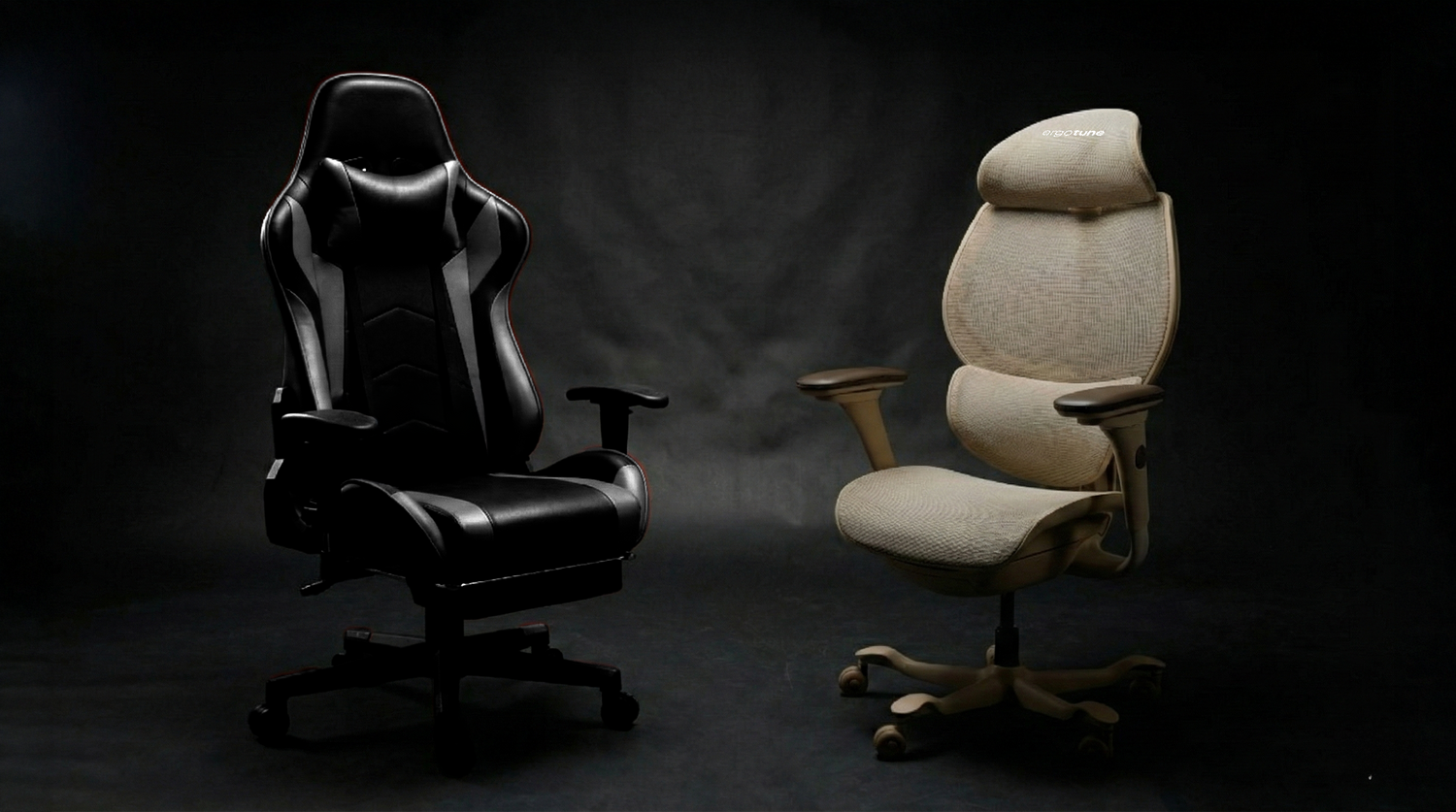
If you’re comparing gaming chairs with ergonomic chairs, the 3-hour mark is usually when everything changes. One is designed to look impressive in short bursts (or just on display). The other is engineered for how real humans sit, move and fatigue across a full workday or long gaming session.
So today, we’re getting honest about what really sets these chairs apart, because hour three is usually when your chair stops being part of your setup… and starts revealing whether it can actually support you. And honestly, nobody’s making it through a WoW raid night or a best-of-five League series with a chair that taps out early.
What You Need To Know About Ergonomics Before Buying A Chair
A lot of people think “ergonomics” means a chair comes with a headrest and a lumbar pillow.
But real ergonomics is far more than add-ons.
Ergonomics is how well a chair supports your natural posture over time – especially as fatigue sets in. It’s about alignment, circulation, micro-movement, and the way a chair helps your body maintain a healthy position without you having to constantly readjust.
A truly ergonomic chair adapts to your shape and movements. You shouldn’t have to fight it or force yourself into its mould.
That’s why high-quality ergonomic chairs include:
- Adjustable lumbar that supports your lower back curve
- Flexible backrests that support movement
- Seat depth adjustments to reduce thigh pressure
- Tilt mechanisms that encourage micro-movement
- Armrests that meet your elbows, not the other way around
None of these features exist to look impressive. They exist because your spine, muscles and joints need different types of support throughout the day.

Why Ergonomics Matters After 3 Hours
The research is clear: the longer you sit, the more your body changes the way it supports you. And if you’ve ever settled in for a few hours of Elden Ring exploration or a Stardew Valley time warp, you’ll know exactly how quickly your posture can unravel when the chair isn’t doing its part.
If we take a look at Safe Work Australia’s Literature Review of the Hazards of Sedentary Work (2022), studies show that spinal load increases during sitting compared with standing, particularly when posture begins to slump.
VicHealth’s Reducing Prolonged Sitting in the Workplace evidence review further highlights that musculoskeletal discomfort rises as sitting time accumulates, especially in the lower back and neck, and may be closely linked to muscle fatigue and reduced postural control after extended periods.
These findings also align with well-established ergonomics research showing that prolonged sitting may reduce blood flow through the thighs and lower back – a major contributor to stiffness and discomfort – and that the body naturally begins to slouch as muscles tire, increasing pressure on the lumbar spine and hips.
And this is exactly why “almost any chair feels fine at first.”
In the first hour, your muscles are still fresh. You haven’t hit the fatigue point where your posture starts collapsing and your chair’s design has to start doing some heavy lifting.
But after hour three? That’s the tipping point – the moment a well-designed ergonomic chair keeps you supported… and the moment a poorly designed gaming chair starts multiplying every bit of discomfort your body is already feeling.
Gaming Chairs Aren’t Built For Long Sessions – Here’s Why
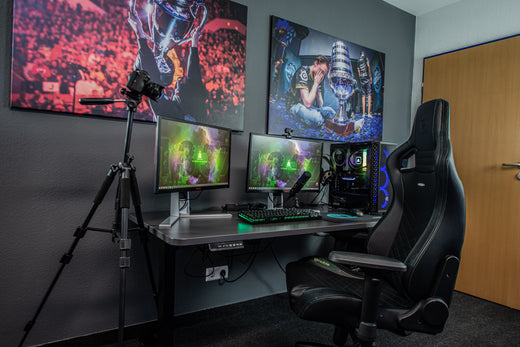
Let’s start with the obvious: gaming chairs look cool. They’re designed to mimic racing seats… because racing seats look cool.
But racing seats are built for a completely different purpose: holding a driver in place through high-speed turns. That means:
- bucket-style sides
- limited movement
- rigid posture
When you bring that design into a long work-from-home (WFH) day or extended gaming session… it works against you.
The signature “bucket” shape restricts natural movement – something your spine actually needs for sustained comfort.
Why Racing-Style Frames Don’t Work at a Desk
Those raised shoulder wings? They’re great in a racecar. Not so great when you’re typing or two hours into a Destiny 2 raid and your shoulders are already working overtime.
Why? Because they:
- restrict natural arm movement
- prevent a relaxed shoulder position
- encourage tension in your upper back
Most gaming chairs also rely on a fixed backrest curve that’s meant to “fit everyone.” But, of course, human spines aren’t one-size-fits-all.
When your chair dictates your posture instead of adapting to you, your body compensates – usually by hunching, overcorrecting or shifting constantly.
The Lumbar Pillow Letdown
The lumbar pillow is one of the most misleading features in gaming chairs. If you’ve ever had to pause mid-Fortnite match to readjust a sliding lumbar cushion, you know how fast that novelty wears off.
Here’s why they don’t work:
- pillows shift
- pillows flatten
- pillows rarely sit at the right height
- pillows don’t move with your spine
True lumbar support isn’t meant to be strapped on. It’s meant to respond to your posture and movements. Because after three hours, your spine needs support that stays with you – not a cushion that migrates halfway up your back.
The “Relaxing” Recline That Isn’t Relaxing Later
The deep recline on gaming chairs is fun for a few minutes. But there’s a difference between reclining and ergonomic tilt.
Recline pushes you backwards and away from your desk, often encouraging a “C-shape” slouch. Tilt keeps your hips anchored, distributes load, and lets you move without losing alignment.
Gaming chairs focus on reclining for aesthetics. Ergonomic chairs focus on tilt for biomechanics.
And after a few hours in the chair, that difference becomes unmissable.
What Ergonomic Chairs Do Differently (And Why It Matters Long-Term)
Ergonomic chairs start with the human body: your posture, your movement patterns, your natural spinal curve.
Everything else is built from that foundation. That’s why they outperform gaming chairs in long-duration comfort, productivity and posture support.
Dynamic Lumbar And Flexible Backrests
True ergonomic backrests aren’t static. They’re built to move with you.
Dynamic lumbar systems respond to:
- shifting weight
- posture changes
- micro-movements
This reduces fatigue and helps your body maintain healthy alignment naturally.
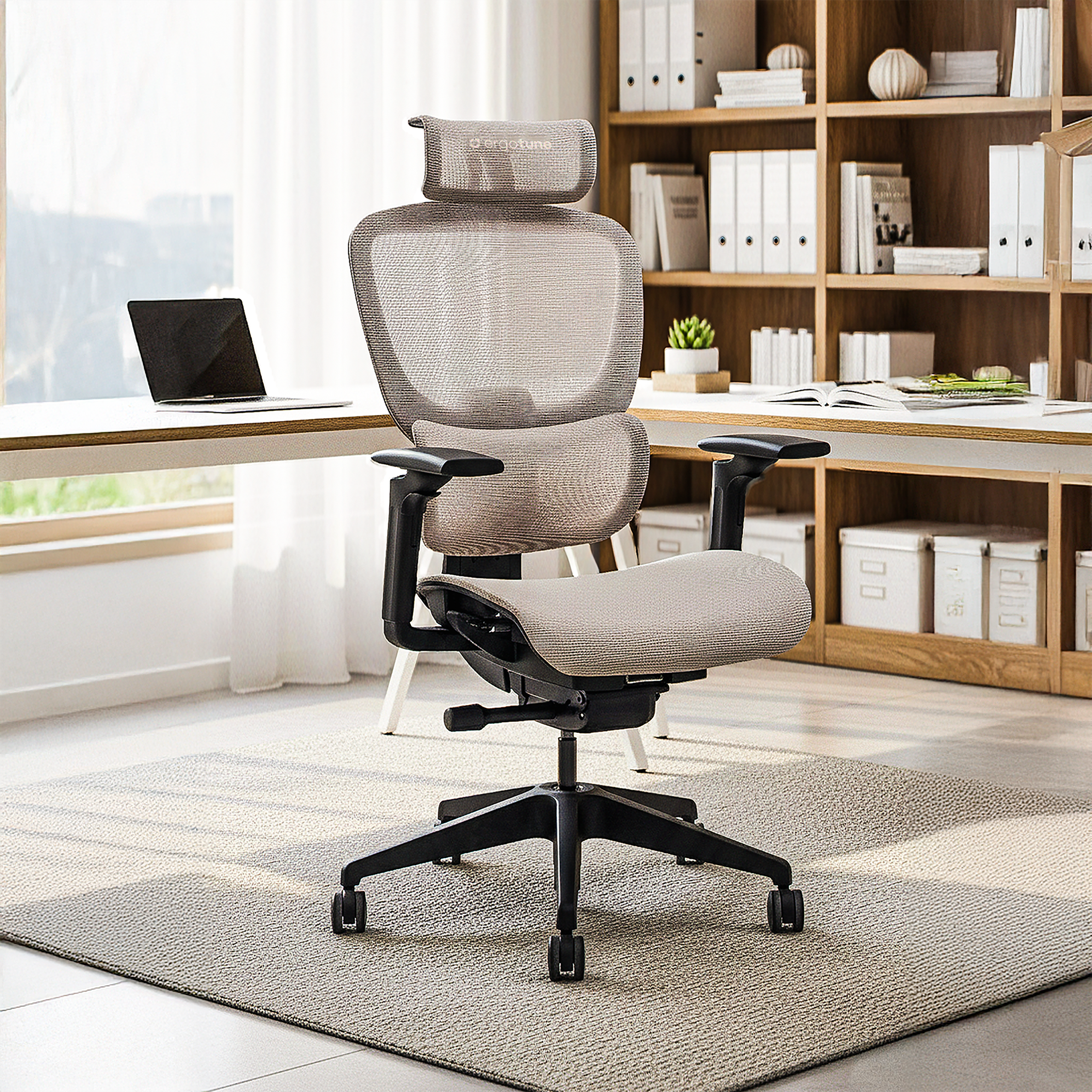
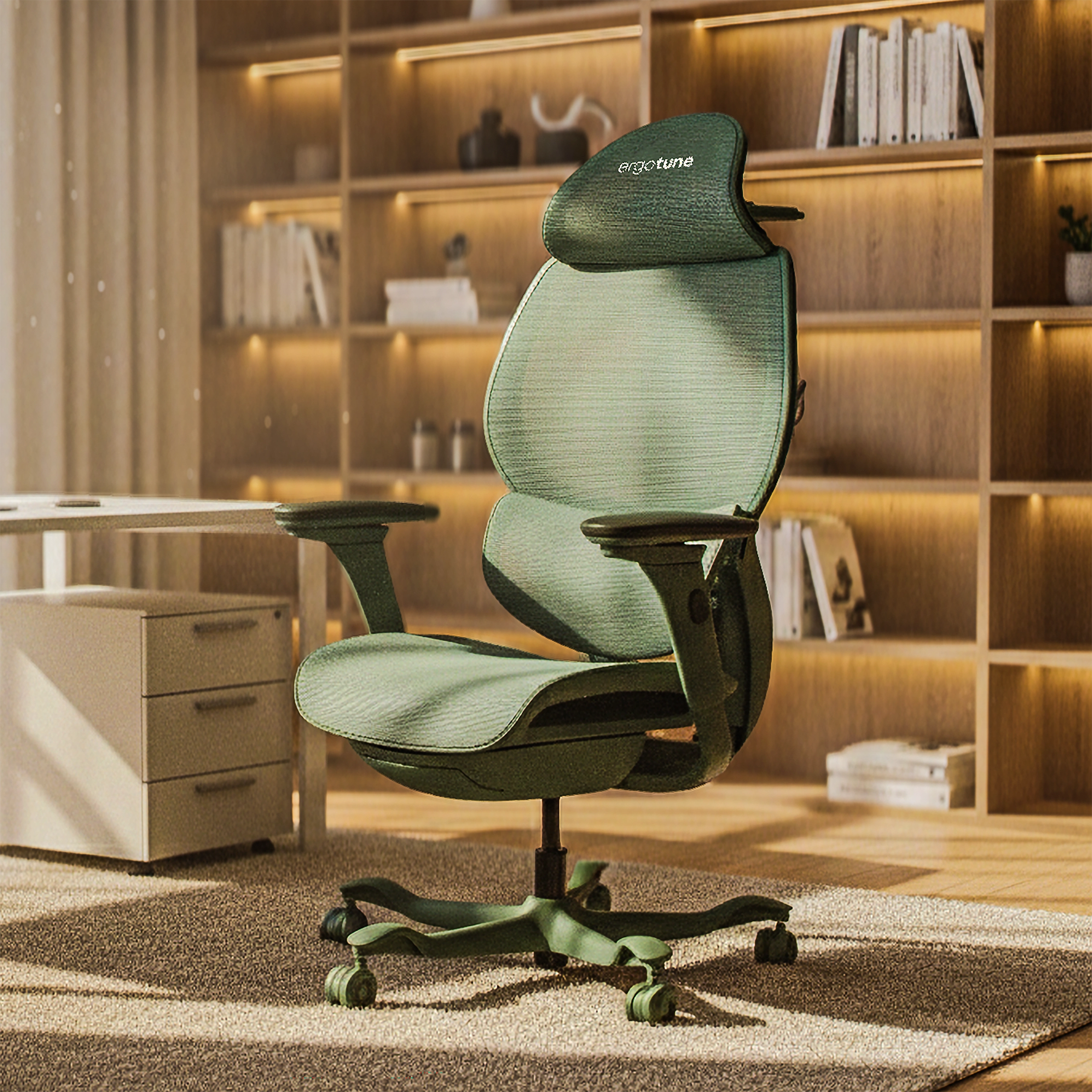
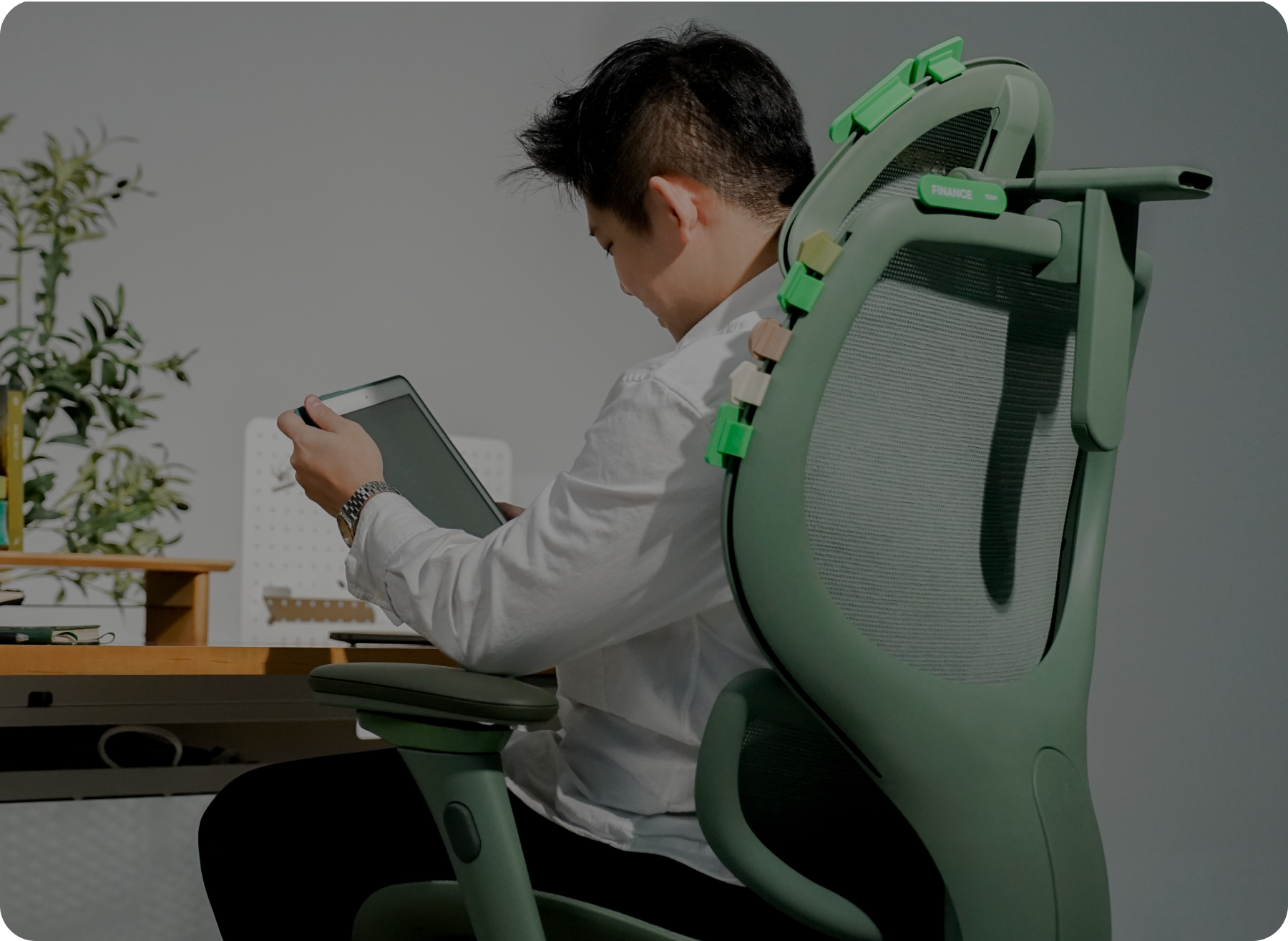
This is exactly why our most advanced chair, ergotune Vesby, was engineered with adaptive lumbar support that adjusts as you move – not after your back starts hurting.
Multi-Dimensional Adjustments That Actually Personalise Fit
Think seat depth, armrest angle, headrest position, tilt tension. These aren’t “nice-to-haves.” They’re essential tools that let the chair fit you rather than the other way around.
Gaming chairs typically offer:
- seat height
- recline
- maybe armrest height
Ergonomic chairs offer adjustments that support the whole chain – spine, shoulders, hips, wrists.
Breathability And Pressure Relief For Full-Day Comfort
Thick foam looks plush, but after hours of use, it compresses and traps heat.
Quality mesh does the opposite:
- reduces heat buildup
- spreads pressure more evenly
- supports long-duration comfort
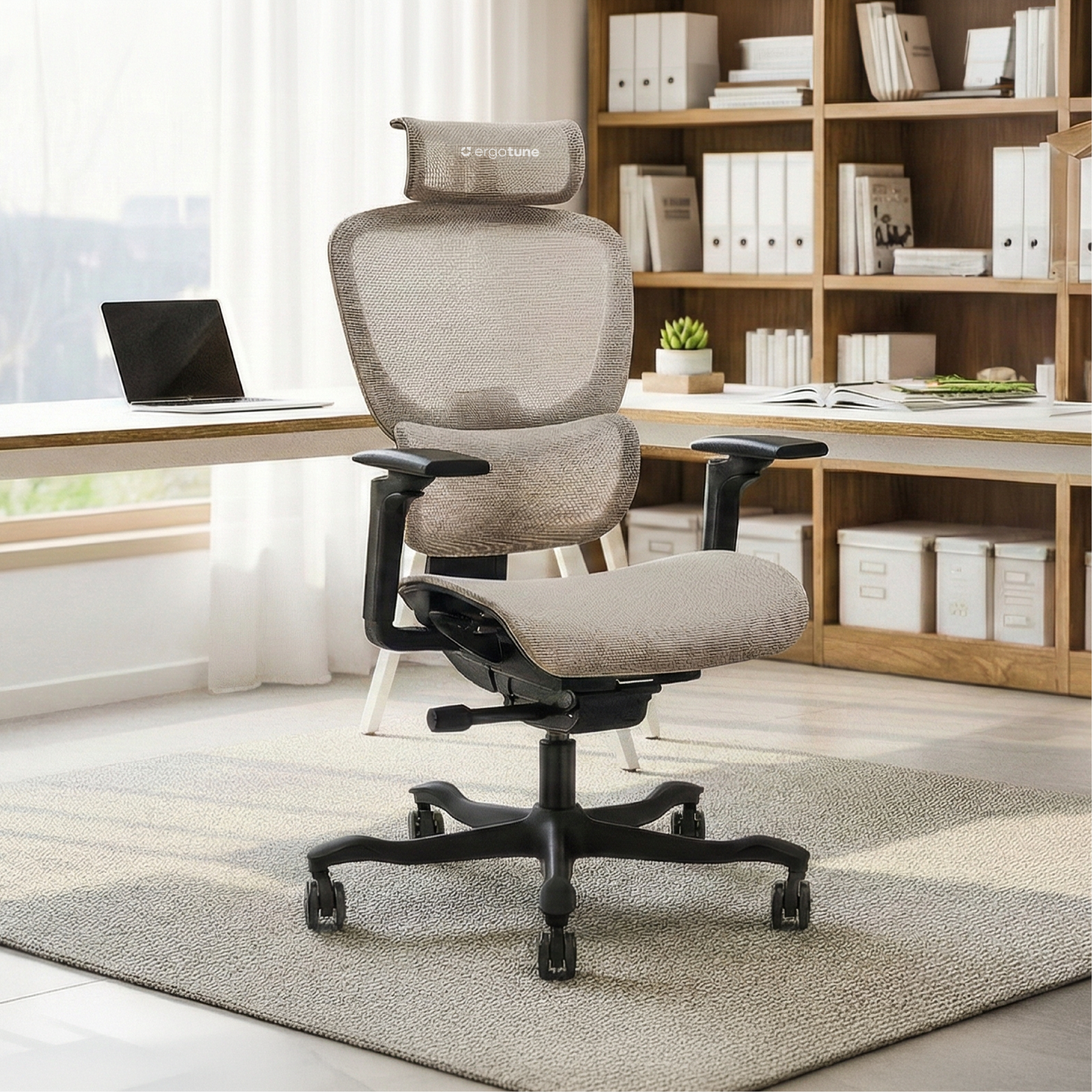
This is a huge reason ergonomic chairs are preferred for full workdays – and why our ergotune Joobie is so popular with WFH professionals.
Expert Insight: What Physiotherapists And Ergonomists Say About Long Sitting
Research from PhysioPedia, Safe Work Australia, and peer-reviewed studies consistently highlight what happens to the spine during prolonged sitting – and what good seating must compensate for.
What Your Spine Actually Needs During Long Sitting
Your spine isn’t designed to hold one position for hours at a time. It needs:
- support for its natural S-curve
- frequent micro-movements
- even load distribution across the backrest and seat
- hip positioning that prevents pelvic tilt
If a chair doesn’t offer these, fatigue ramps up quickly.
How Rigid Seating Increases Fatigue Over Time
Chairs that lock you into a single shape – or force you to rely on pillows – may lead to:
- increased tailbone pressure
- reduced circulation through the thighs
- neck strain from misaligned headrests
- rigid postures that compound discomfort by hour three
These issues aren’t dramatic at first… but consistent research shows discomfort builds gradually until you feel it intensely.
The Real Advantage of Chairs Designed To Move With You
Ergonomic chairs are designed to counter these exact problems with:
- dynamic lumbar support to reduce lower-back fatigue
- tilt mechanisms that encourage natural movement
- seat depth settings to support circulation
- adjustable armrests that keep shoulders relaxed
This is the difference between “fine for an hour” and “comfortable for eight.”
Ergonomic Chair vs Gaming Chair: Quick Comparison Table
|
Feature |
Ergonomic Chair |
Gaming Chair |
|
Primary Design Purpose |
Long-duration posture support |
Aesthetic inspired by racing seats |
|
Backrest |
Flexible, adaptive, promotes movement |
Rigid, fixed shape with wings |
|
Lumbar Support |
Built-in and adjustable |
Pillow-based, often unstable |
|
Adjustability |
Extensive (seat depth, tilt, armrests, headrest) |
Limited (height, recline) |
|
Materials |
Breathable mesh, pressure-distributing |
Thick foam, heat retention |
|
Best For |
Full workdays, long gaming sessions |
Short gaming sessions, visual appeal |
Comfort Isn’t Tested In The First Hour – It’s Proven In The Third
Most chairs feel perfectly fine when you first sit down. The real test is how you feel later – when your muscles tire, your posture starts to slip, and your chair has to do more than just look the part.
This is where the divide between gaming chairs and true ergonomic chairs becomes obvious.
Gaming chairs are designed to stand out visually. Ergonomic chairs are designed to support your body through the hours that actually count.
If you’re weighing up whether a gaming chair can handle long workdays or multi-hour sessions, here’s the simple truth: after hour three, real ergonomics always wins.
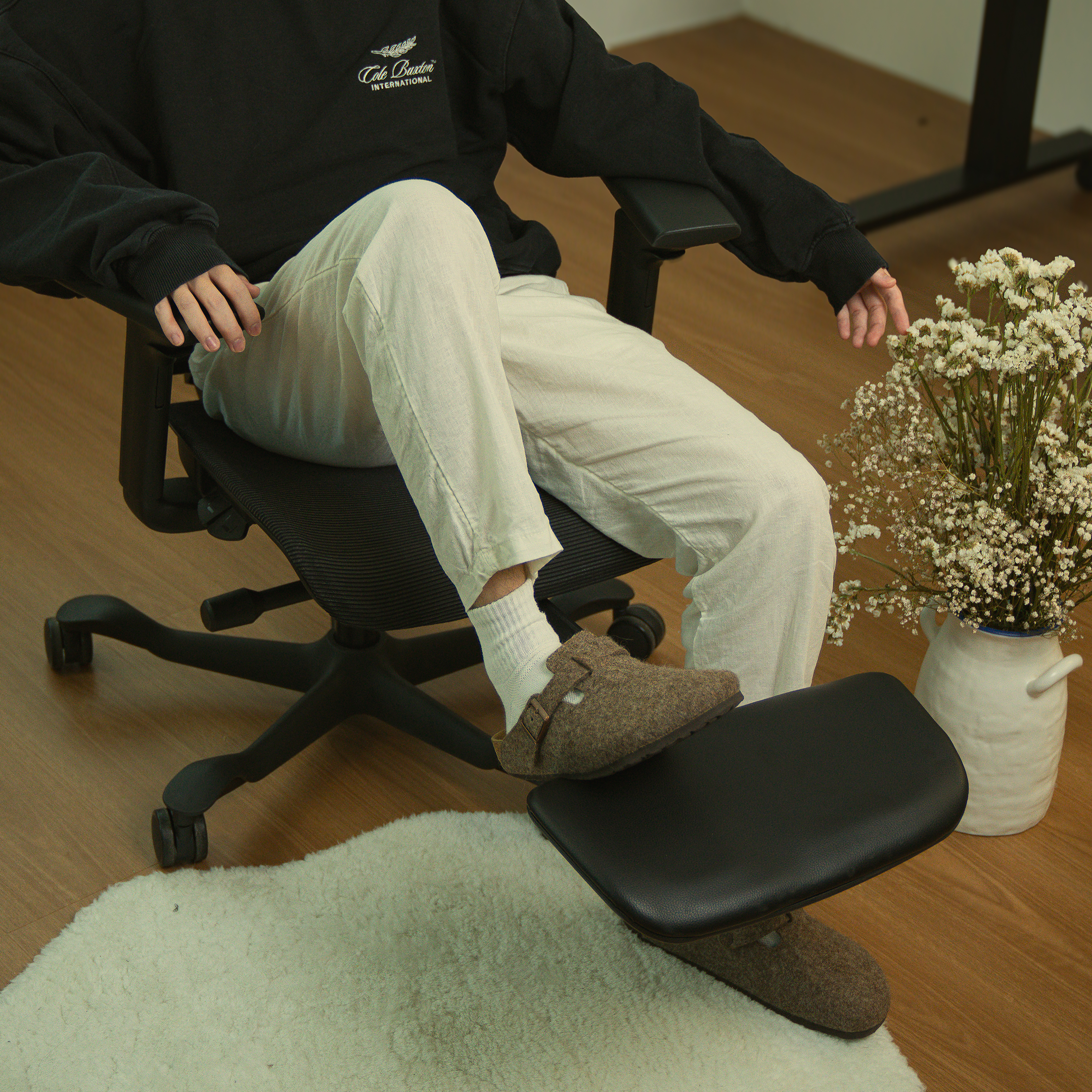
And this is exactly where ergotune shines. From the lightweight, comfort-first ergotune Joobie Lite, and through to our next-generation ergotune Vesby and our most popular model, the ergotune Joobie, every chair in the range blends thoughtful ergonomics with a clean, modern aesthetic. Because ergonomic design shouldn’t be plain, bulky or boring – and it shouldn’t give up before you do.
When you’re ready to feel the difference, explore the full ergotune lineup and find the chair that’s built to support you long after the first-hour comfort wears off.
And if you want to hear what real users think, Reddit is full of unfiltered conversations about this exact debate.
Your body knows what it needs. Let your comfort guide the decision.